
- South Western Sydney
and The Southern Highlands
- Mon - Sat 7am - 4:30pm
Emergency -Outside of this
- 0432 374 689 Call Team Penguin
How to Clear a Blocked Drain: 7 Easy DIY Methods That Actually Work
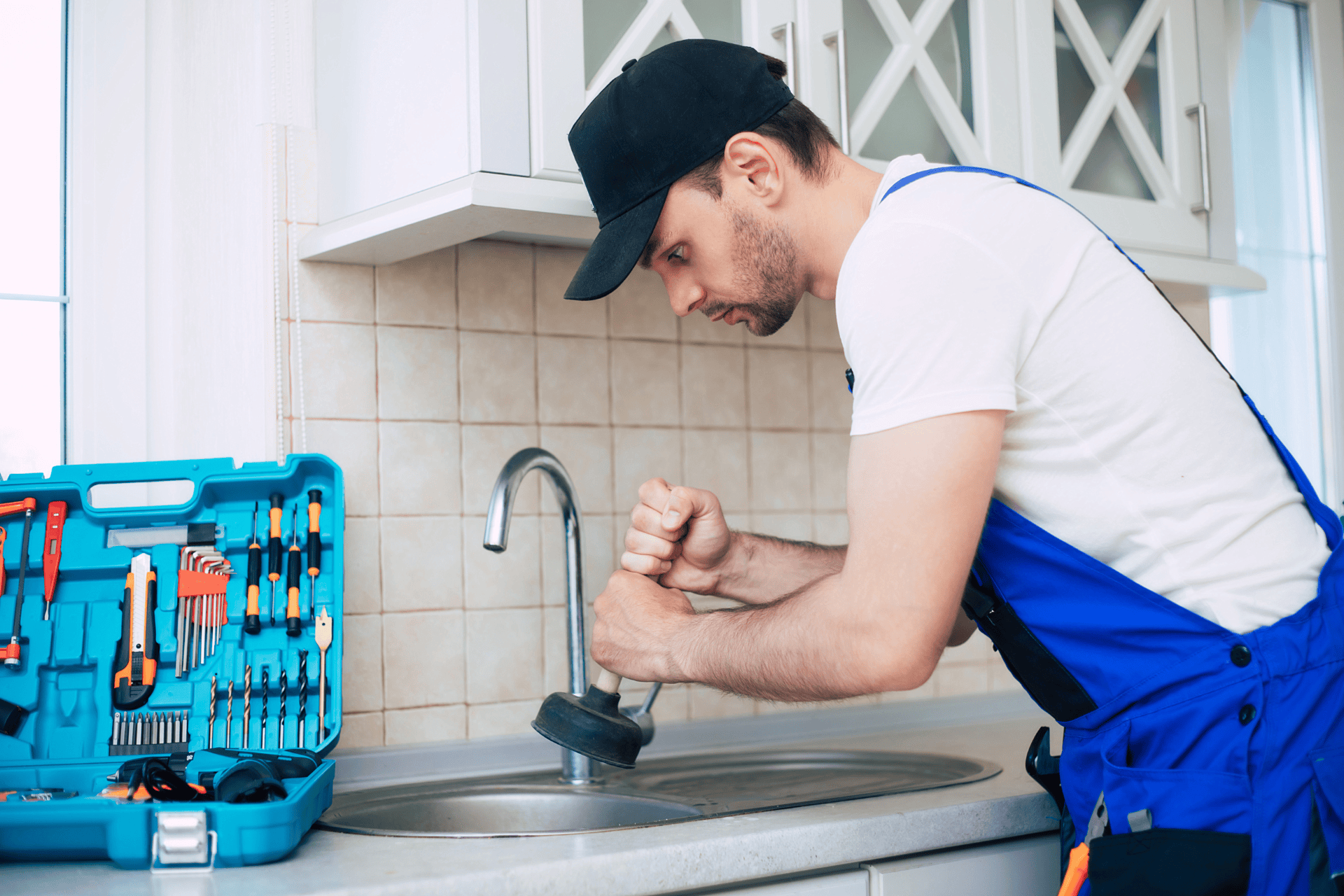
Blocked drains are one of the most common plumbing problems Australian households face. Whether it’s the kitchen sink, bathroom basin or shower drain, a clog can quickly turn from a minor inconvenience to a major headache. But before you reach for the phone to call in a plumber, there are a few simple DIY methods you can try at home.
In this guide, we’ll walk you through how to clear a blocked drain using seven tried-and-tested techniques. These methods are cost-effective, safe, and can save you time, money and stress , especially if the blockage is minor.
Why Drains Get Blocked in the First Place
Before diving into the solutions, it’s important to understand what’s causing the problem. The most common causes of blocked drains in Australian homes include:
- Hair build-up (in showers and bathroom sinks)
- Grease and food scraps (in kitchen sinks)
- Soap scum and mineral build-up
- Foreign objects like baby wipes, cotton buds, or kids’ toys
- Tree roots or garden debris (in outdoor drains)
If you’re specifically struggling with a kitchen sink that clogs often, this guide on why your kitchen sink keeps getting clogged may help pinpoint the cause and prevent future blockages.
Safety First: A Quick Note Before You Start
- Always wear rubber gloves to protect your hands.
- Avoid mixing store-bought chemical cleaners , they can create toxic fumes.
- Don’t force anything down the drain that doesn’t fit , it could cause pipe damage.
- Keep a bucket, old towels, and rags handy in case things get messy.
7 Easy DIY Methods for Clearing Blocked Drains
1. Boiling Water Flush
This is the easiest and safest method, ideal for minor grease or soap build-up.
How to do it:
- Boil a full kettle of water.
- Slowly pour it down the drain in stages.
- Wait a few seconds between each pour to allow the hot water to loosen up any gunk.
Best for: Kitchen sinks and bathroom basins
Not recommended for: PVC pipes (can soften or warp the plastic if water is too hot)
2. Baking Soda and Vinegar (Homemade Drain Cleaner)
This natural solution works wonders and doesn’t require harsh chemicals.
You’ll need:
- ½ cup of baking soda
- 1 cup of white vinegar
- Boiling water
Instructions:
- Pour the baking soda into the drain.
- Follow with the vinegar and quickly cover the drain (use a plug or cloth).
- Wait 15–20 minutes while it fizzes and breaks down the blockage.
- Flush with boiling water to clear everything away.
Best for: Sinks, tubs, and slow drains
Keywords used: homemade drain cleaner, blocked sink cleaner
3. Salt and Bicarb Mix
If you don’t have vinegar on hand, a mix of salt and bicarb soda can help too.
How to use:
- Mix ½ cup of salt with ½ cup of bicarb.
- Pour it down the drain, followed by boiling water.
- Let it sit overnight and flush in the morning.
This method is slower but great for clearing blocked drains gradually.
4. Use a Plunger
The classic plunger still works , but technique is everything.
Tips:
- Cover the overflow outlet (the hole near the top of your sink) with a damp cloth.
- Position the plunger directly over the drain and create a tight seal.
- Use strong, steady plunges (about 10–15 repetitions).
Best for: Toilets, sinks, and floor drains
Want more toilet-specific advice? Check out this article on how a clogged toilet plumber can save you time, money and stress.
5. Try a Wet and Dry Vacuum
If you have a shop vacuum, it can be a powerful tool for drainage clearing.
Instructions:
- Set the vacuum to liquid mode.
- Seal the hose over the drain using a cloth or duct tape.
- Turn it on high to suck out the blockage.
Warning: Only attempt this if you’re confident using power tools around water.
6. Use a Drain Snake or Wire Coat Hanger
This is perfect for hair clogs in showers or bathroom sinks.
What to do:
- Straighten a wire coat hanger, keeping a small hook at the end.
- Insert it into the drain and carefully pull up hair or gunk.
- Rinse with hot water afterwards.
You can also purchase a plastic drain snake from your local hardware store , they’re inexpensive and easy to use.
7. Clean the U-Bend (P-Trap)
If the blockage is right under your kitchen or bathroom sink, this might do the trick.
Steps:
- Place a bucket under the U-bend.
- Unscrew the connectors with a spanner or your hands.
- Remove the trap and empty any debris.
- Rinse it thoroughly and reattach.
Note: Don’t overtighten when reconnecting , hand-tight is usually enough.
When to Call a Professional Plumber
If you’ve tried all these methods and the drain is still blocked, the problem might be deeper in the pipes. Signs it’s time to call a pro include:
- Bad smells that don’t go away
- Slow draining water across multiple fixtures
- Gurgling noises in pipes
- Overflow or backflow in toilets or sinks
Don’t ignore these signs , a small clog can become a major plumbing emergency. If in doubt, get it sorted before things get worse.
How to Prevent Blocked Drains in the Future
Once your drain is clear, here are some simple habits to help avoid future issues:
- Use drain strainers to catch food and hair.
- Never pour grease, coffee grounds, or food scraps down the sink.
- Clean your drains monthly with hot water and vinegar.
- Avoid flushing anything down the toilet except toilet paper.
Prevention is the best approach to avoid repeat blockages and costly plumbing bills.
Need a Professional to Clear That Drain?
If your drain is still giving you grief or you’re not comfortable trying these methods yourself, Team Penguin Plumbing is here to help.
At Team Penguin Plumbing we service residential and commercial plumbing across Australia with fast, reliable and affordable solutions. Whether it’s a blocked toilet, a kitchen sink that won’t drain, or a full-scale plumbing emergency, our experienced team can take the pressure off.
Contact Team Penguin Plumbing Today:
Website: https://teampenguinplumbing.com.au/
Phone: 1300 216 944