
- South Western Sydney
and The Southern Highlands
- Mon - Sat 7am - 4:30pm
Emergency -Outside of this
- 0432 374 689 Call Team Penguin
Choosing the Right Plumber for Industrial Water Jet Blasting Services
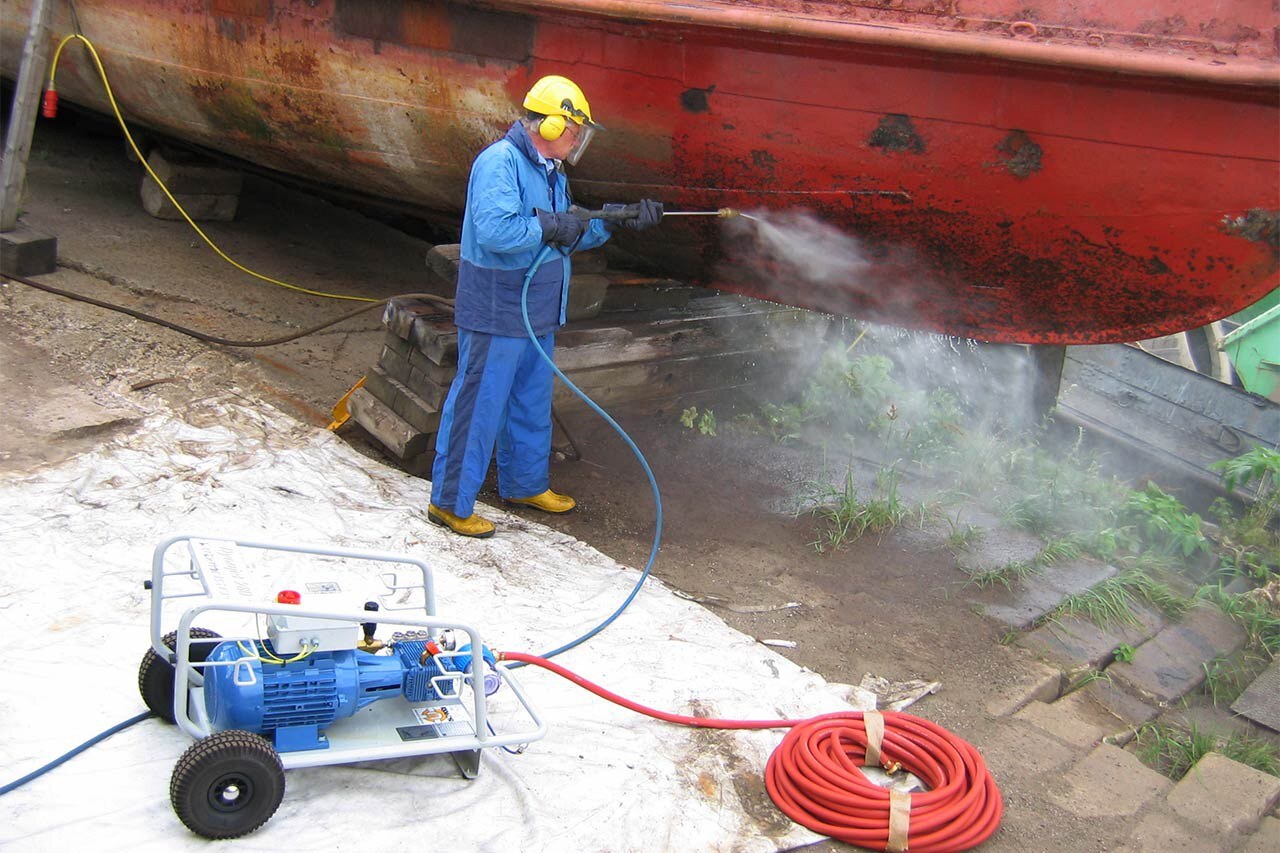
When you’re managing an industrial facility, whether it’s a manufacturing plant, refinery, storage tank farm or infrastructure asset, choosing the right contractor for industrial water jet blasting services can make the difference between a smooth, safe maintenance project and costly downtime, rework or asset damage. High pressure water jet blasting is a powerful and specialised process, so your contractor needs to have the right mix of expertise, equipment and risk management.
In this article we walk through the key factors to evaluate, questions to ask and best practices for selecting a water jet blasting contractor for your industrial surface preparation or cleaning needs.
1. Verify Industry Experience and Project References
Look for contractors who have proven experience specifically in high pressure water jet blasting (often 5,000 PSI or above) in industrial environments such as tanks, vessels, piping, and structural steel.
Ask for case studies or references from comparable projects including tank cleaning, heat exchanger descaling or marine hull cleaning.
Check if they’ve worked in your industry sector such as oil and gas, petrochemical, power generation or mining and understand your operational constraints like shutdowns, confined spaces or hazardous materials.
Experience matters because each substrate, whether steel, concrete or brick, and coating system requires different nozzles, pressures, containment and disposal strategies.
2. Equipment Capability and Technical Specifications
Confirm the contractor’s equipment is suitable for your job: pump pressure (10,000 to 20,000 PSI or even ultra-high pressure above 20,000 PSI), flow rate, hose length, nozzle types and remote or robotic lancing if needed.
Ask about surface profile control. For example, if you’re preparing for recoating, you’ll want the correct anchor pattern without damaging the substrate.
Check that the contractor has containment systems for water run off, debris capture, waste handling and environmental controls, especially important if coatings contain hazardous materials.
Make sure hoses, pumps, nozzles and safety systems are well maintained and certified.
3. Safety, Certification and Compliance
High pressure water jetting is inherently risky with potential for injury, equipment damage or environmental harm. Ensure the contractor has a strong safety record, documented training programs and relevant certifications such as confined space entry, hazardous materials handling, and WHS or OHS compliance.
Ask for their risk assessment, method statement, PPE standards and emergency procedures.
Verify they adhere to industry standards and regulatory requirements including water discharge management, waste disposal and site environmental protection.
Make sure the contract clarifies liabilities, insurance cover and that they are authorised to operate in your jurisdiction.
4. Project Planning, Scheduling and Work Coordination
Good contractors provide a detailed work plan covering scope of work, sequence (surface cleaning, inspection, recoating), duration, manpower, equipment logistics, site preparation and clean up.
Integration with your operations is critical. Shutdown windows or restricted access may apply, so the contractor must minimise disruption.
Communication is key. There should be a designated project manager, clear interface with your site team and regular status updates.
Confirm how the contractor will handle water run off, solids capture and disposal, as this should be part of the schedule and budget.
5. Cost Transparency and Quality Assurance
Ask for a detailed quotation with breakdowns for equipment hours, labour, materials, waste handling and mobilisation. Beware of all inclusive quotes without clarity.
Understand what is included and what isn’t. Surface repair, coating removal, access equipment or temporary shutdowns may cost extra.
Quality assurance is essential. What are the acceptance criteria such as surface cleanliness, profile or verification testing like DFT coating thickness? How will results be documented through photos or inspection reports?
Ensure the contract includes warranties or guarantees for workmanship and clarity on what happens if the surface fails inspection.
6. Evaluate Environmental and Sustainability Practices
One of the benefits of water jet blasting compared to abrasive blasting is lower dust generation and less abrasive waste, but it still produces significant wastewater with contaminants. Ensure your contractor has good environmental practices such as water capture and reuse, sediment filtration, compliance with discharge permits and hazardous waste disposal.
Ask if they use eco friendly procedures, minimising chemical usage, controlling noise and vibration, and using equipment efficiently to reduce resource consumption.
For marine or sensitive environment operations, check if they have protocols for containment of pollutants, sediment control and local approvals.
7. Contractual Terms and Go or No Go Criteria
The contract should clearly define scope, deliverables, schedule, acceptance criteria, payment terms and responsibilities.
Include performance milestones such as completion of blast, inspection or recoating start, with payments tied to deliverables.
Define change management and how modifications like access difficulties, unexpected substrate defects or extended time will be handled.
Specify what happens if the surface fails inspection or the contractor falls behind schedule.
Make sure documentation obligations like reports, photos, inspection certificates and waste disposal receipts are included.
Conclusion
Selecting the right contractor for industrial water jet blasting services isn’t just about finding the lowest price. The right partner will ensure quality, safety and efficiency, protecting your assets and keeping your operations on schedule.
Want help getting started? Reach out to Team Penguin Plumbing , they’ll guide you through the best options for your site and ensure your drainage system is built to last.